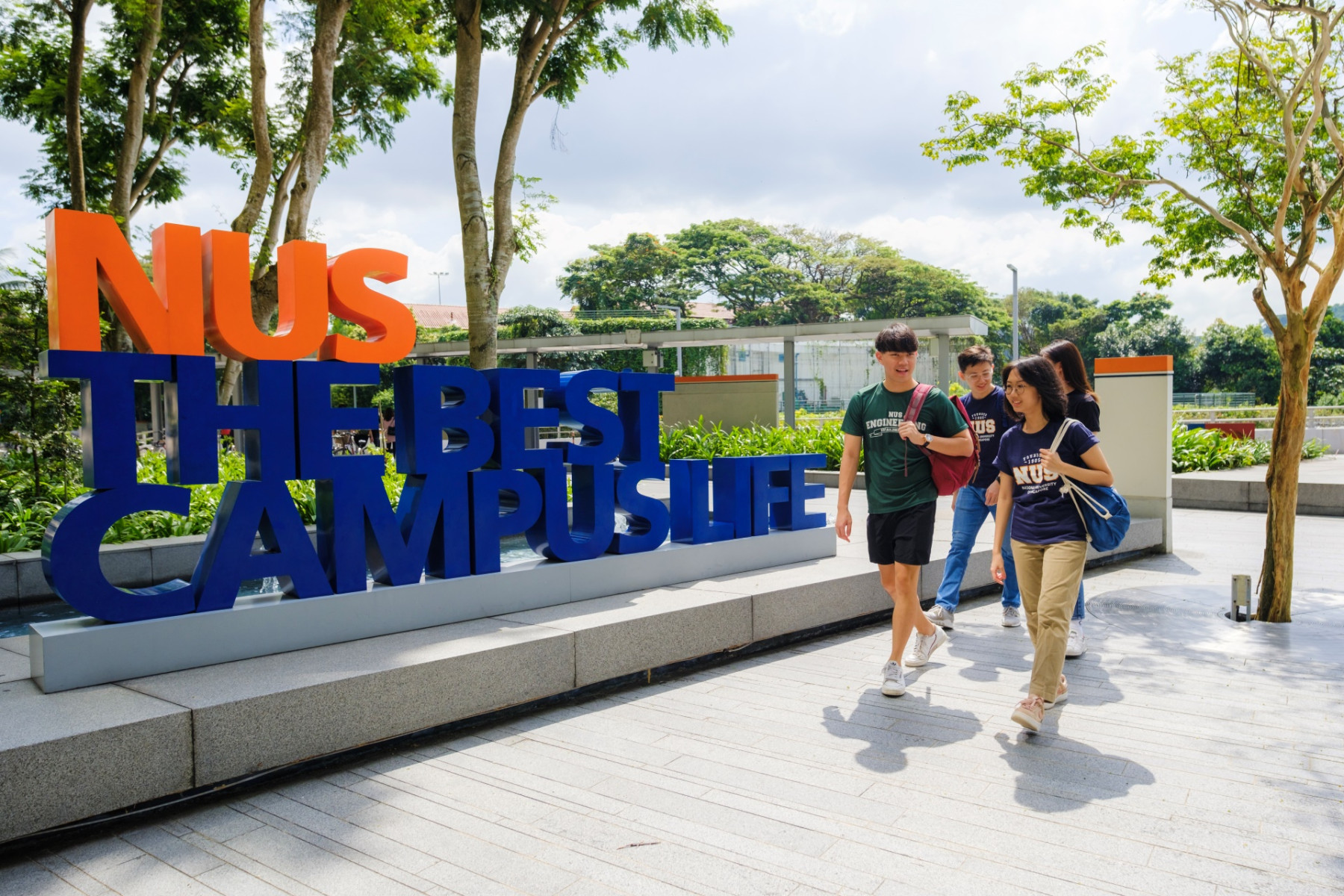

Since its inception, NUSOne has been a catalyst for student growth and self-discovery. With the goal of offering students a rich, well-rounded university experience, it provides them with diverse opportunities to develop holistically and gain critical life skills for navigating a complex future.
Dabble & Discover: Connecting through hands-on learning
A core component of NUSOne is the ‘Dabble & Discover’ initiative, a curated selection of beginner-friendly workshops.
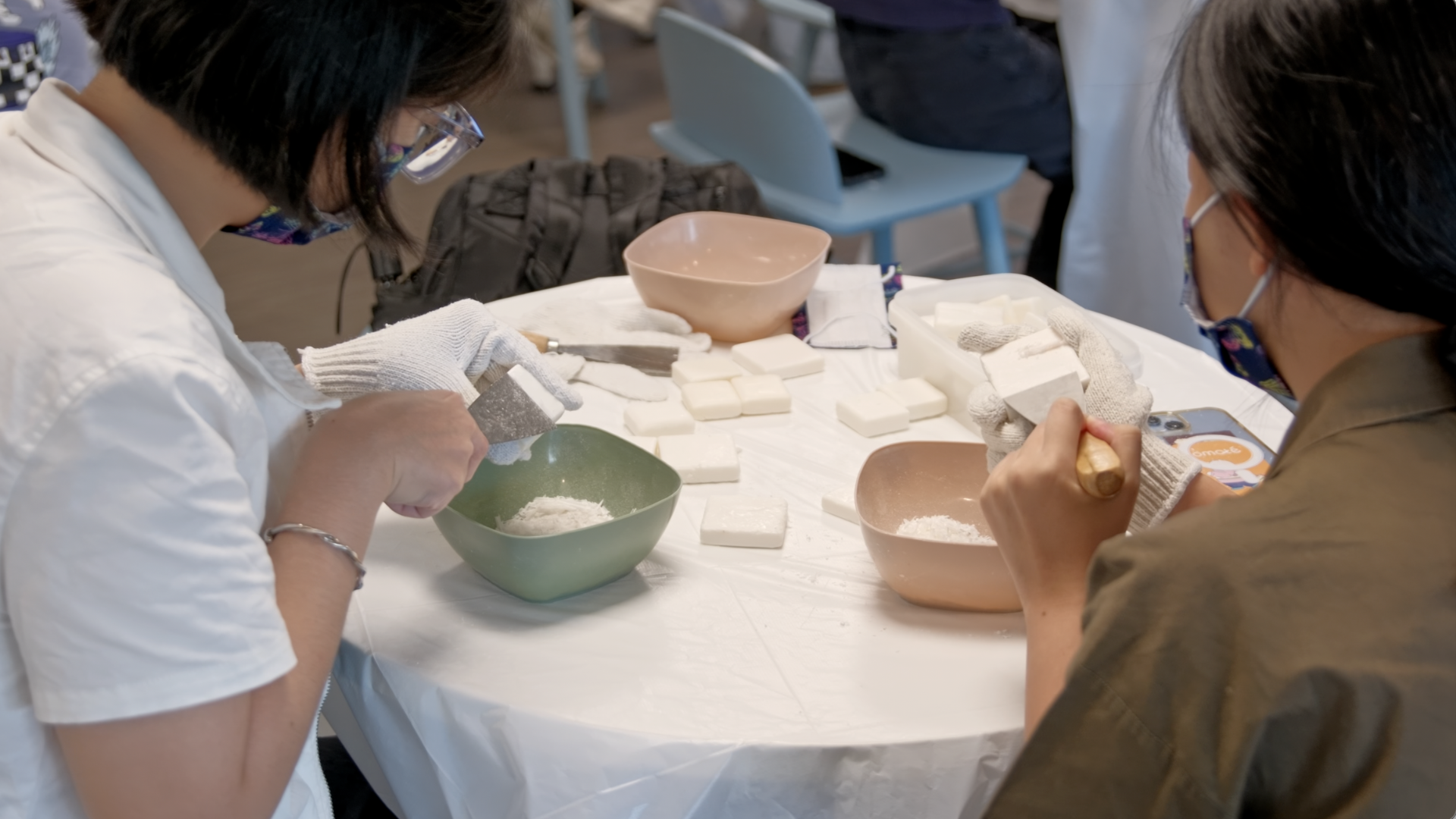
For instance, NUS Office of Student Affairs’ (OSA) soap recycling workshop taught participants how to manually process lightly used bars of soap and repurpose them into circular hygiene products for vulnerable communities — debunking common misconceptions about the cleanliness of recycled soap.
Beyond gaining a practical skill, participants also got an inside look at the local soap waste scene, such as the industrial and manual processes for sanitising and recycling materials as well as the massive volume of soap discarded by businesses.
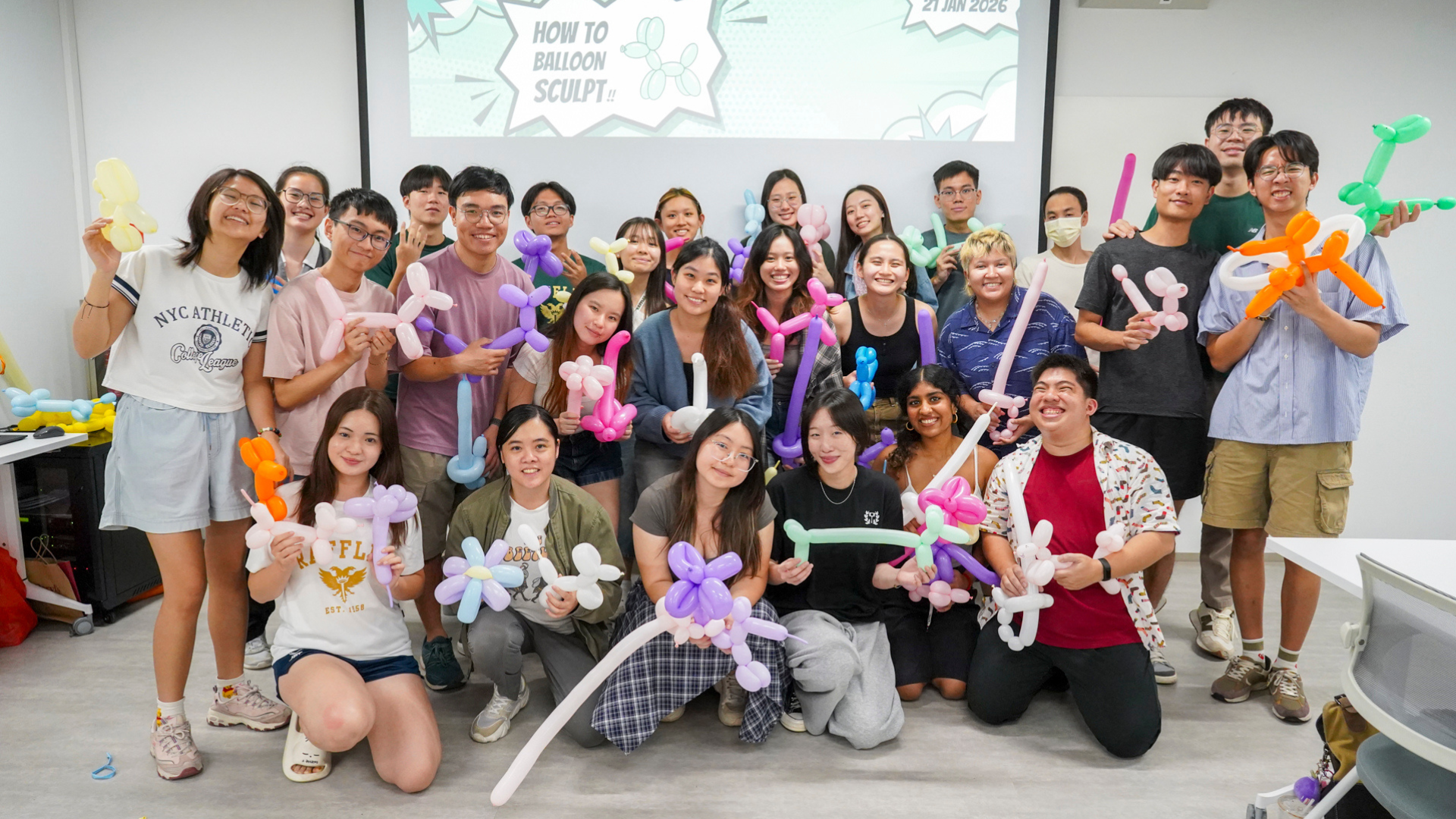
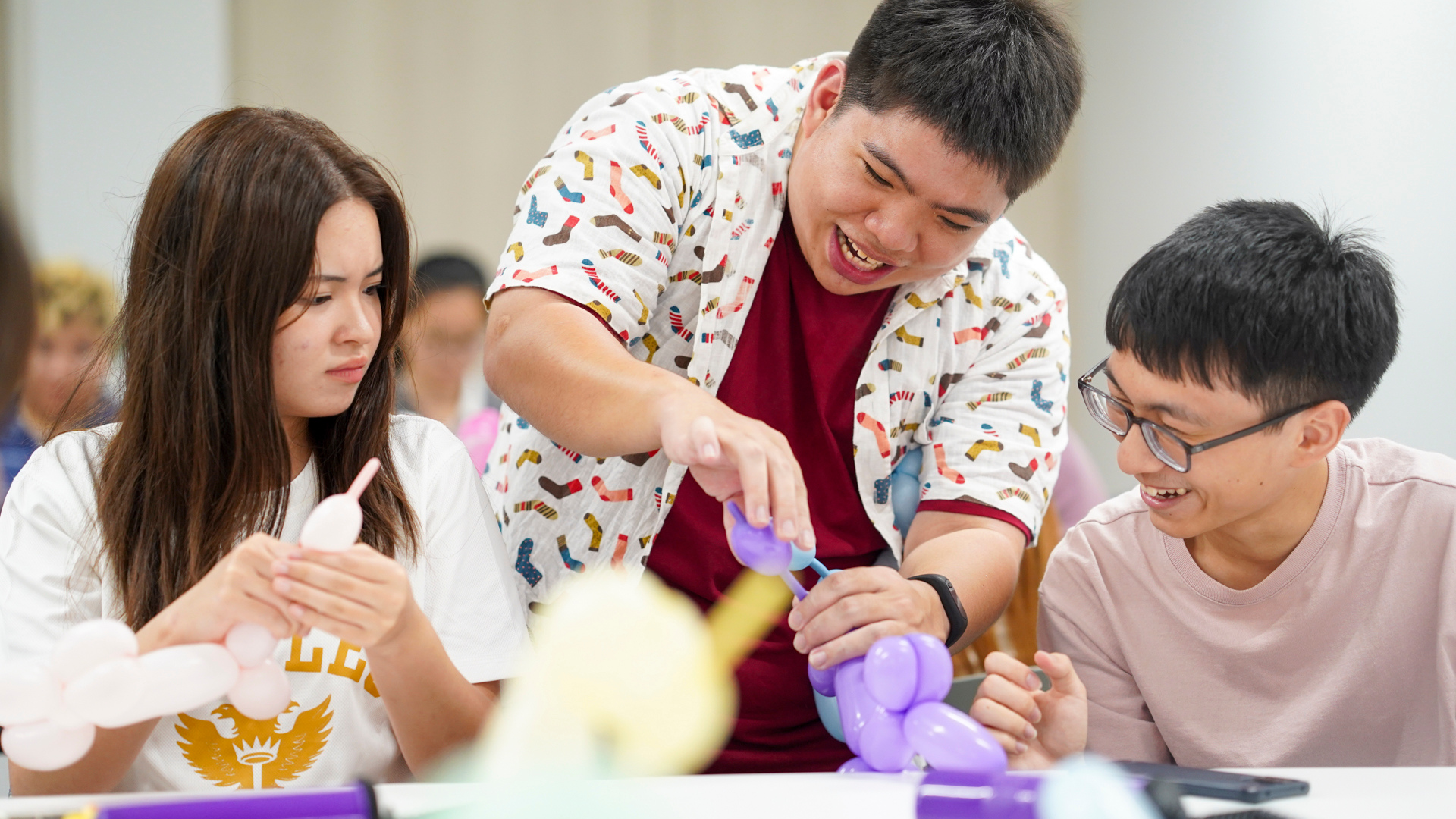
Meanwhile, participants unleashed their creativity at the balloon sculpture workshop, also organised by NUS OSA. Beyond mastering the fundamentals of balloon sculpting, they also discovered its power as an effective icebreaker to engage with people of all ages and backgrounds.
A well-rounded education
Besides workshops, NUSOne also encourages students to venture beyond their disciplines, cultivating future-ready skills, adaptability and confidence through a wide array of out-of-classroom activities.
A curated learning journey to Grab Singapore offered 40 students first-hand exposure to product management and data analytics. They learned about Grab’s key product management practices, including lifecycle thinking and cross-functional collaboration, and gained insights into how data and analytics drive large-scale decisions to optimise user experience and platform operations.
“Even the simple action of clicking through the app provides insights that inform how Grab improves user experience, showing that such actions have a big impact in the long run,” said Covan Seah Hao En, an NUS Faculty of Science graduate from the Class of 2026.
Ultimately, the experience equipped students with practical perspectives to innovate and create impact in their future careers. As they reflected on applying Grab’s product strategies to their own future ventures, they gained valuable insights into resilience, customer-centric thinking and continuous iteration.
Real learning impact, backed by research
The positive impact of out-of-classroom engagement is further supported by ongoing research.
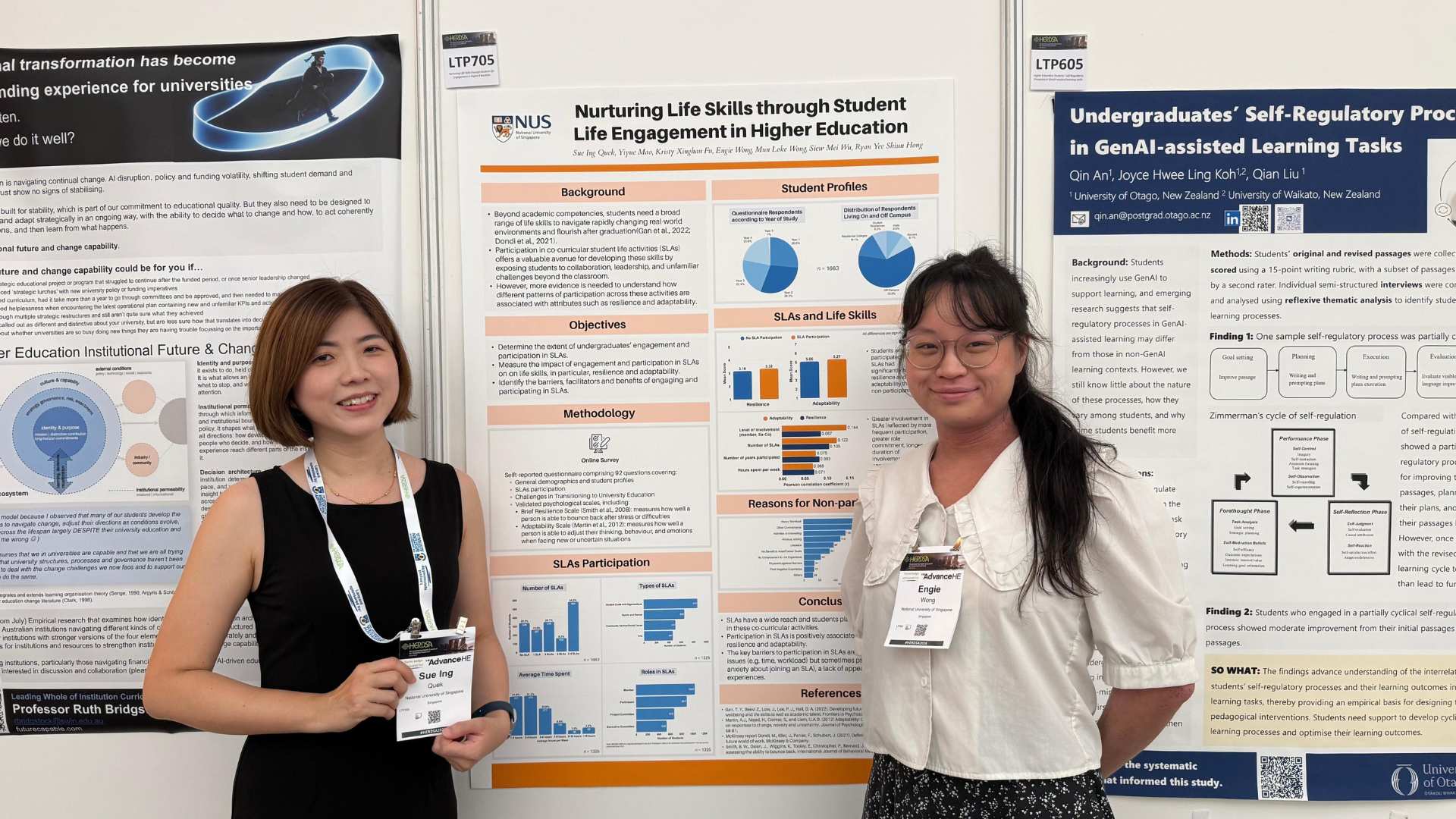
To better understand how NUSOne and student life participation support student growth, the NUSOne research workgroup is conducting a phased mixed-methods study. It comprises a quantitative phase involving over 1,600 students, which examines the link between student life participation and qualities such as resilience and adaptability, followed by 10 focus group discussions with close to 60 students to gain deeper insights into university transition challenges and the developmental value of student life involvement.
Preliminary findings suggest that students who participate in student life activities tend to report higher levels of resilience, adaptability, and social intelligence. These findings were presented by Dr Quek Sue Ing and Ms Engie Wong on behalf of the workgroup at the recent Higher Education Research and Development Society of Australasia (HERDSA) Conference 2026.
Not only will these findings shape future initiatives for holistic student development, but they also help students recognise how their academic and co-curricular experiences cultivate essential life skills. This, in turn, will go a long way in empowering them to confidently articulate these competencies to future employers and leverage them throughout their professional and personal journeys.
Share:
Contributor
This story was first published on NUS News