

Sensory Regulation
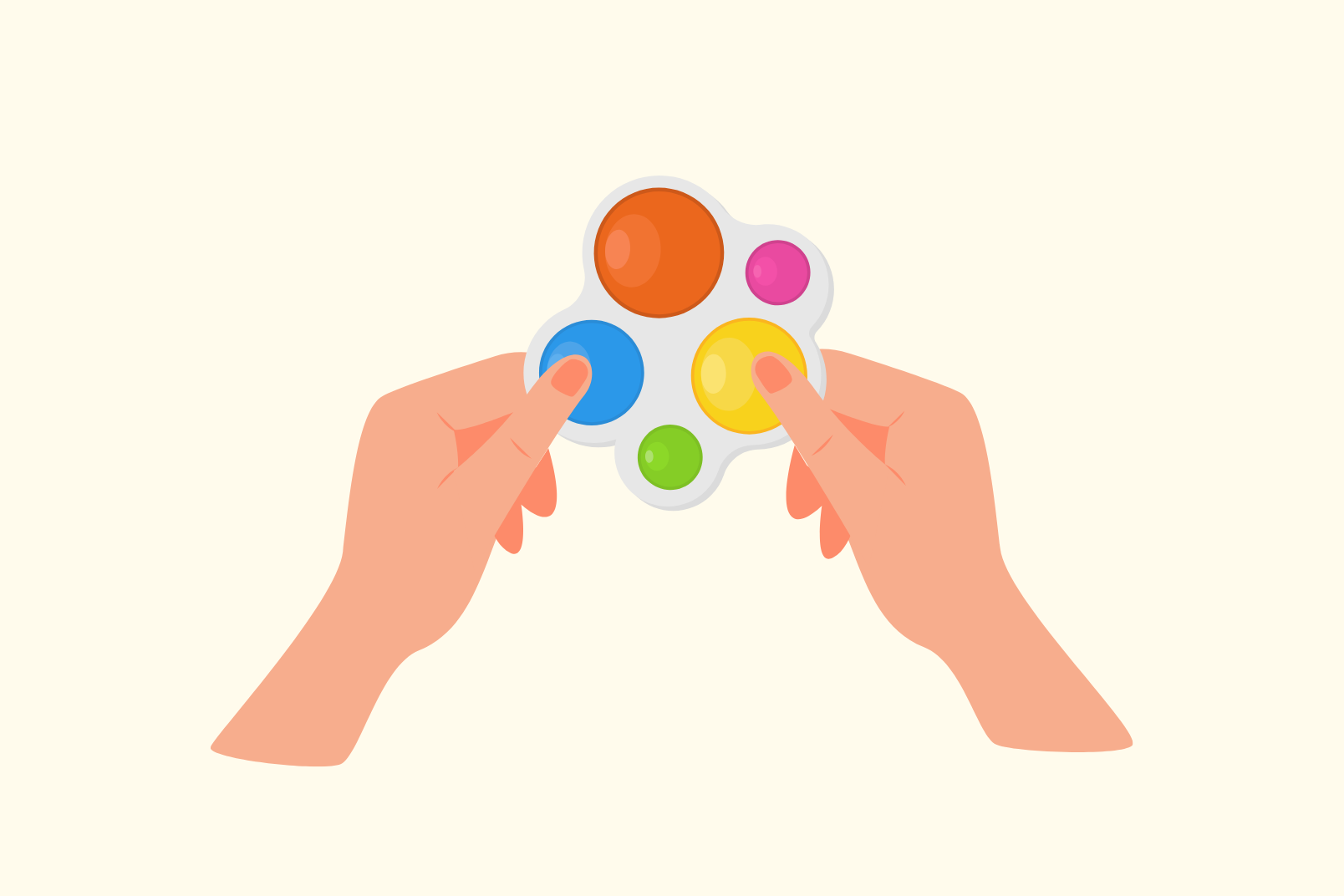
1. Sensory Systems
Sensory regulation is closely related to self-regulation. Mallory and Keehn (2021) describe sensory regulation as “the perception, registration and interpretation of different sensory stimuli in the environment.”
Do you know we have more than 5 sensory systems?
2. Sensory Processing Differences
Some individuals may experience challenges with sensory processing, which means that their sensory inputs are not effectively processed, leading to difficulties in responding appropriately to their environment. This can manifest as hyposensitivity or hypersensitivity to sensory stimuli. As a result, the individual may seek out or avoid certain sensory inputs.
3. Strategies to Support Sensory Regulation
Chevalier, N., Huber, K. L., Wiebe, S. A., & Espy, K. A. (2013). Qualitative change in executive control during childhood and adulthood. Cognition, 128(1), 1–12.
Categories
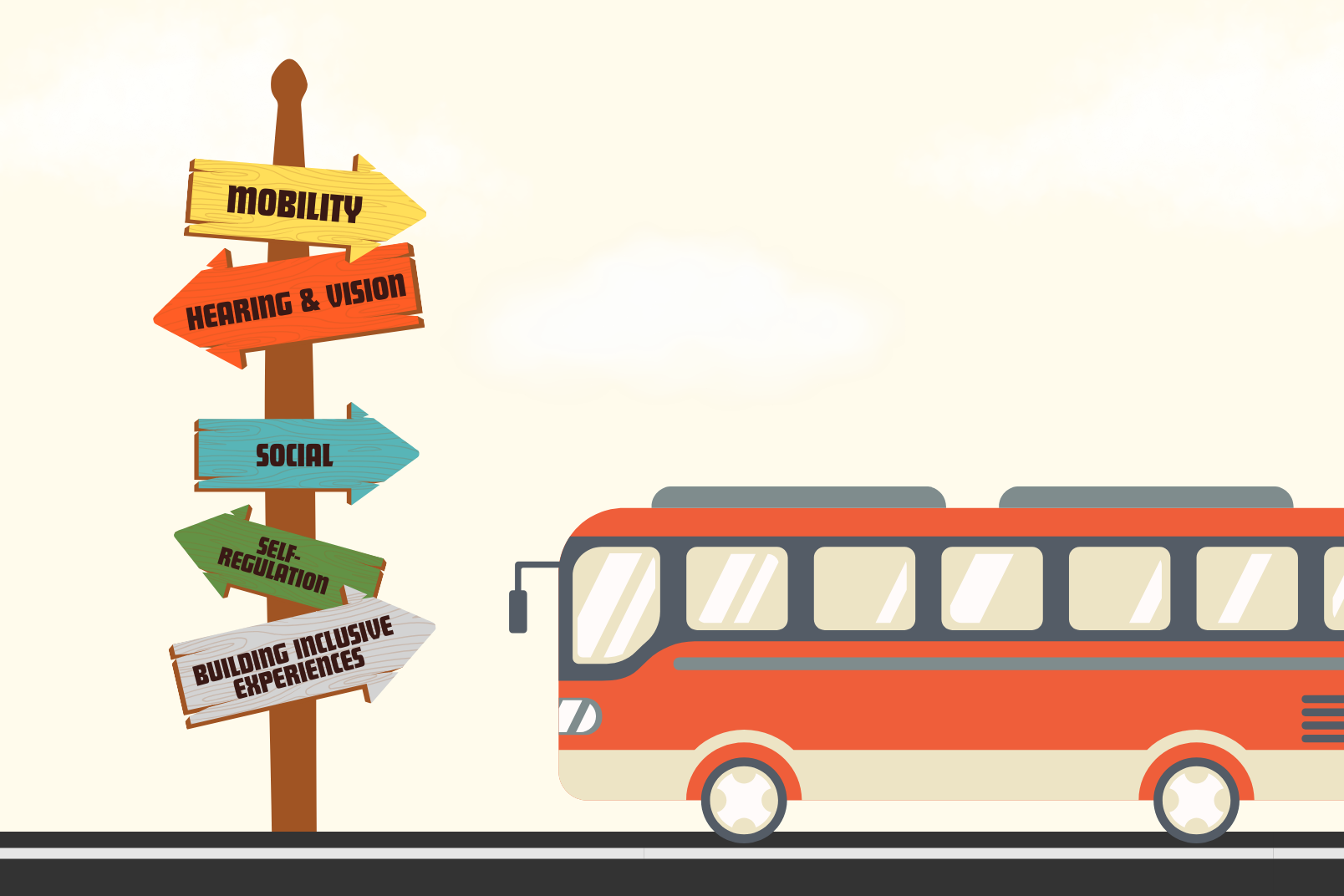
Click below to view the Student Accessibility Unit's Road to Accessibility Guidebook!
Road to Accessibility provides practical strategies to support diverse accessibility needs. It outlines common barriers students may face and offers inclusive practices to help create barrier-free and equitable learning environments.