
What does it take to turn a diverse hostel into a home? Beyond putting a roof over their heads, four local universities are rethinking what it means to belong.
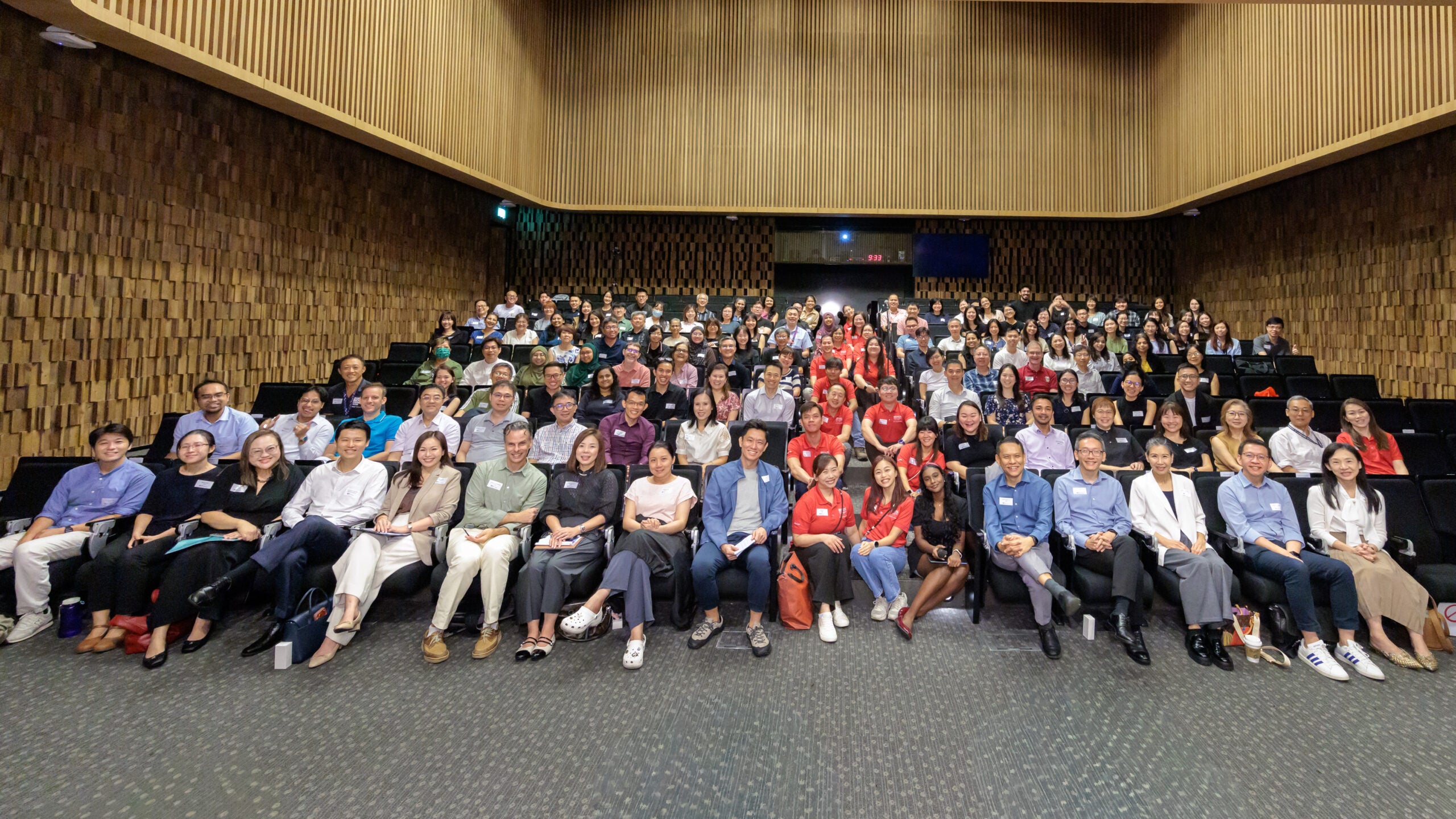
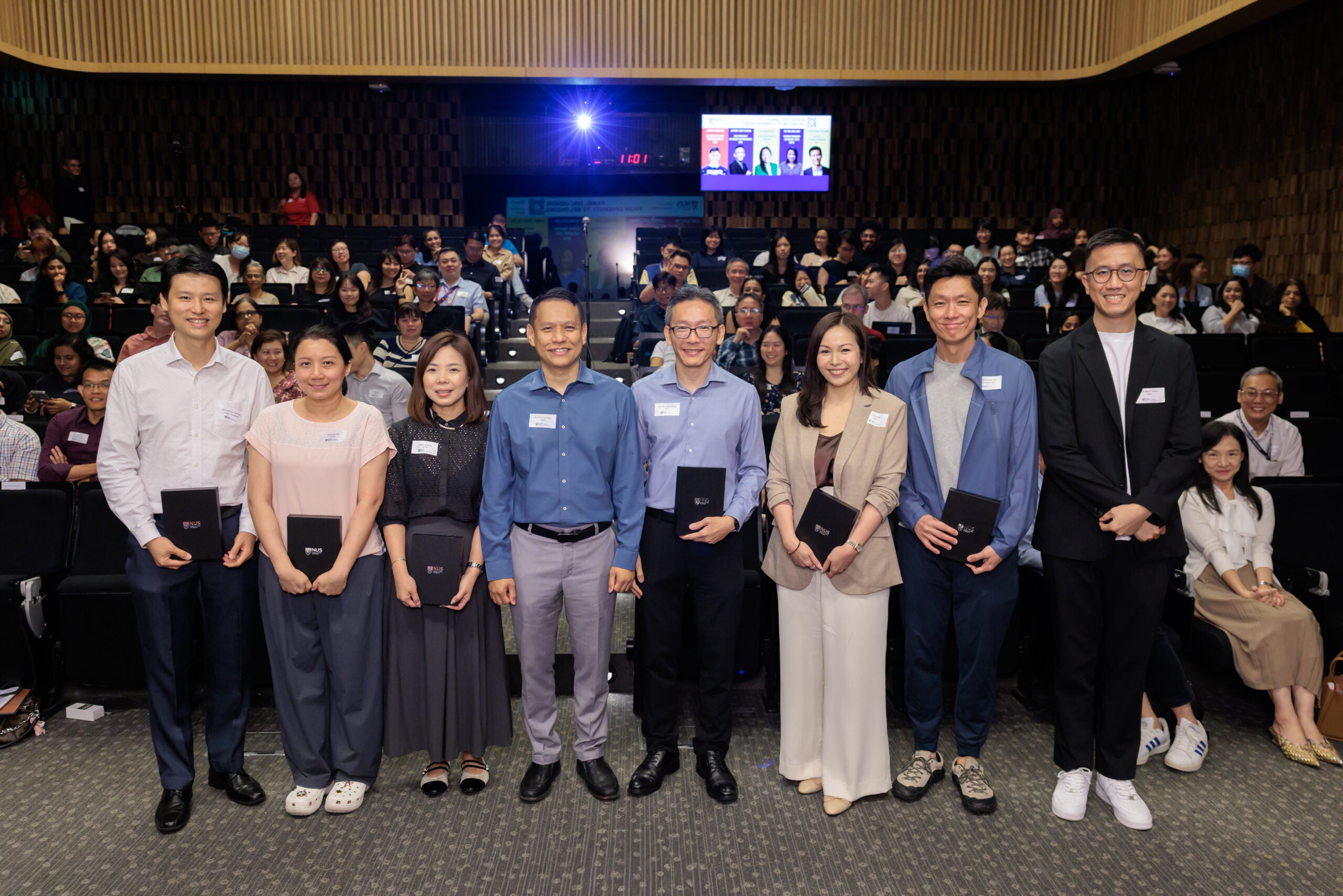
On 23 September 2026, the NUS Office of Student Affairs (OSA) organised the Residential Life (ResLife) Symposium 2026 at the Ngee Ann Kongsi Auditorium, centred on the theme “Inclusive Leadership for Diverse Communities in Hostels”. Bringing together 120 participants from the National University of Singapore (NUS), Nanyang Technological University (NTU), Singapore Management University (SMU) and Singapore University of Technology and Design (SUTD), the Symposium invited participants to look beyond residential life as simply accommodation. Through a keynote address, panel discussion and workshops, participants explored how residential communities can foster learning, connection and personal growth, and how intentional leadership can create environments where students feel included, supported and a genuine sense of belonging.
From a gathering of 30 participants in 2024, the Symposium has grown into a platform for learning and exchange among residential life practitioners across Singapore’s universities. This year, the conversations broadened further, with NUS colleagues from the Student Accessibility Unit and Community Integration, Service & Learning bringing perspectives on accessibility, unconscious bias and inclusive practices into the residential life conversation.
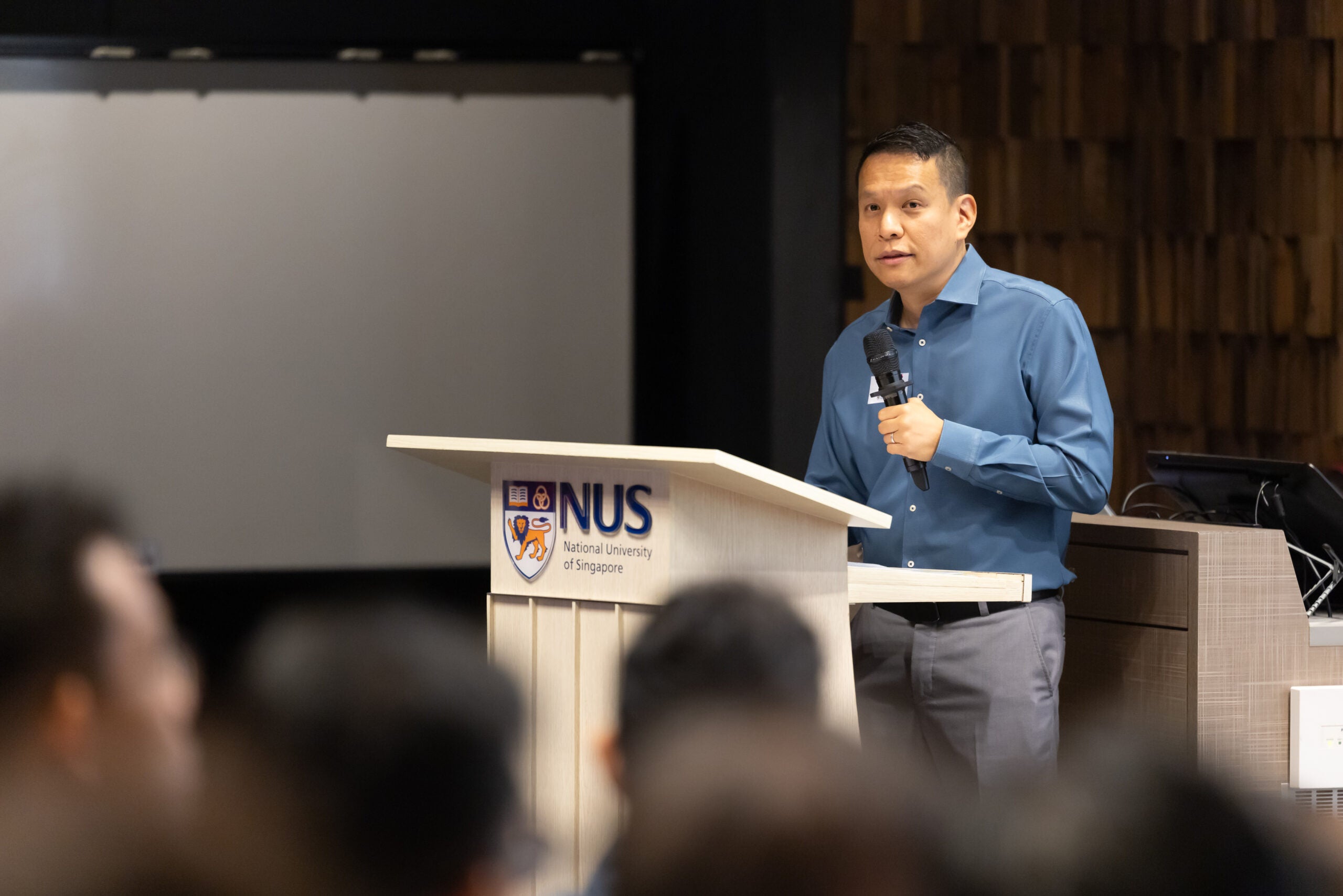
From diversity to belonging
In his keynote, Professor Ho Han Kiat (NUS Dean of Students) compared building inclusive residential communities to creating an emulsion. Just as oil and water require a surfactant and sustained effort to form a stable mixture, diverse communities cannot integrate by chance alone. Residential life practitioners act as this “surfactant”, creating opportunities for students from different backgrounds to connect with the aim of creating “international communities at home” where students form meaningful relationships and develop a genuine sense of belonging.
Building on Professor Ho’s observation that there is no single prescribed model for residential life, representatives from NUS, NTU, SMU and SUTD outlined how their respective approaches reflect their institutional contexts and educational priorities.
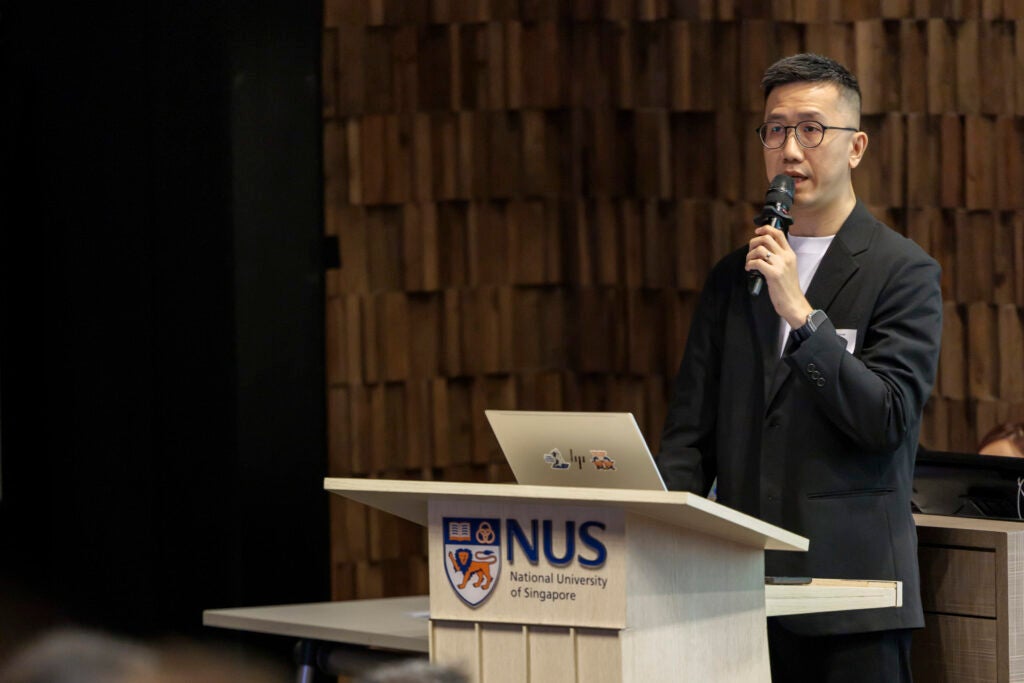
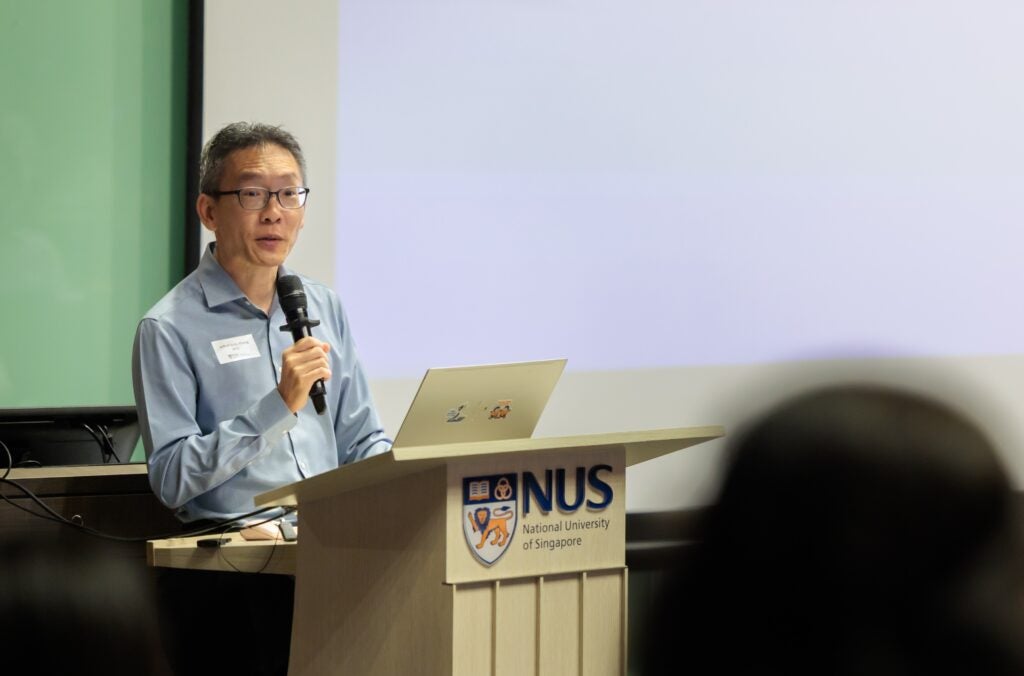
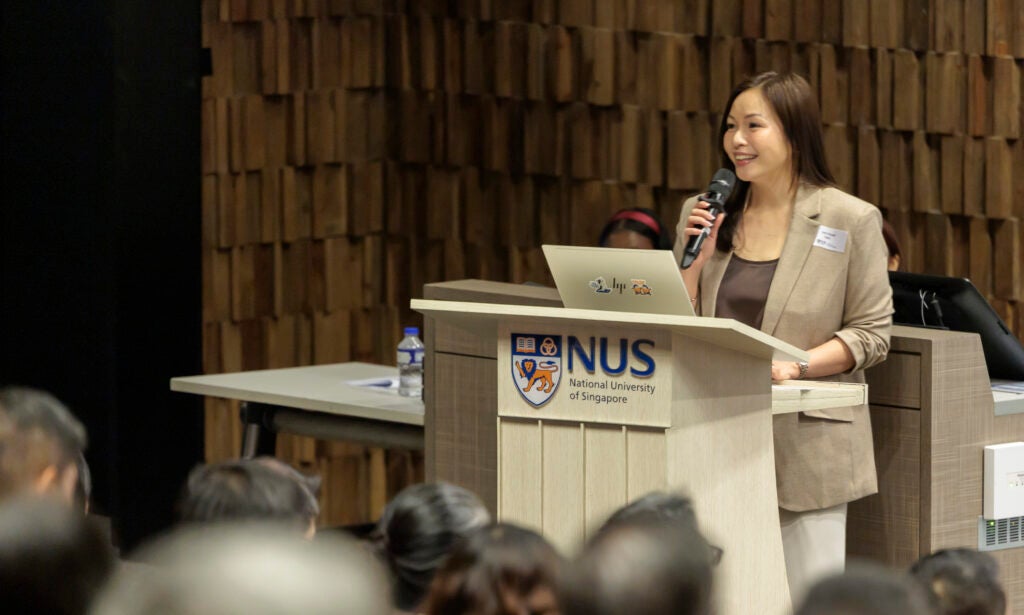
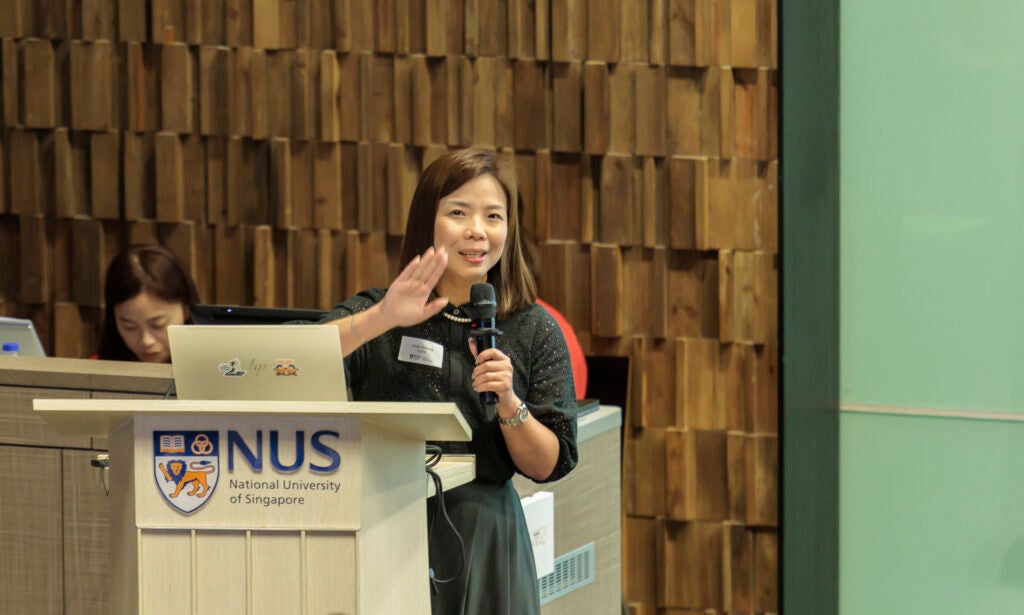
Mr Ho Boon Yeow (Head of Residential Life, NUS) discussed how residential life forms an important part of the University’s holistic education. While its Halls, Houses, Residential Colleges and Student Residences offer different experiences, they share a common purpose — enabling students to “live, learn, contribute and belong” at NUS. He emphasised that scale, diversity and activities alone do not create community; meaningful connections and a sense of belonging have to be actively built.
Intentionality was also central to NTU’s approach. Associate Professor Andy Khong (Vice Provost of Student Experience, NTU) expressed how its residential experience brings together wellbeing, vibrancy and learning, supported by a deliberate, outcome-based approach to programme design. This involves considering not only the purpose of residential initiatives, but also what success looks like and how their impact can be measured.
At SMU’s Prinsep Street Residences, this extends to how connections are fostered among residents. Ms Sara Kuek (Senior Residential Manager) revealed how belonging is intentionally fostered by equipping student leaders with skills such as active listening, empathy and designing activities that encourage residents to connect beyond their existing social circles. She emphasised that beyond programmes, everyday interactions also matter — helping residents feel seen, valued and connected to their community.
SUTD also weaves community-building into student life through its DIVE (Design. AI Innovation and Venture Exploration) learning ecosystem as described by Ms Hilda Cheung, Head of Student Life. With all freshmore (freshman and sophomore) living on campus, residential life is deliberately structured to bring students from different backgrounds together, fostering collaboration and belonging from day one. Student-led initiatives offer further avenues for connection and community contribution.
Despite differing residential models and approaches, all four universities pointed to a common challenge: How to transform diversity within residential communities into genuine inclusion and belonging.
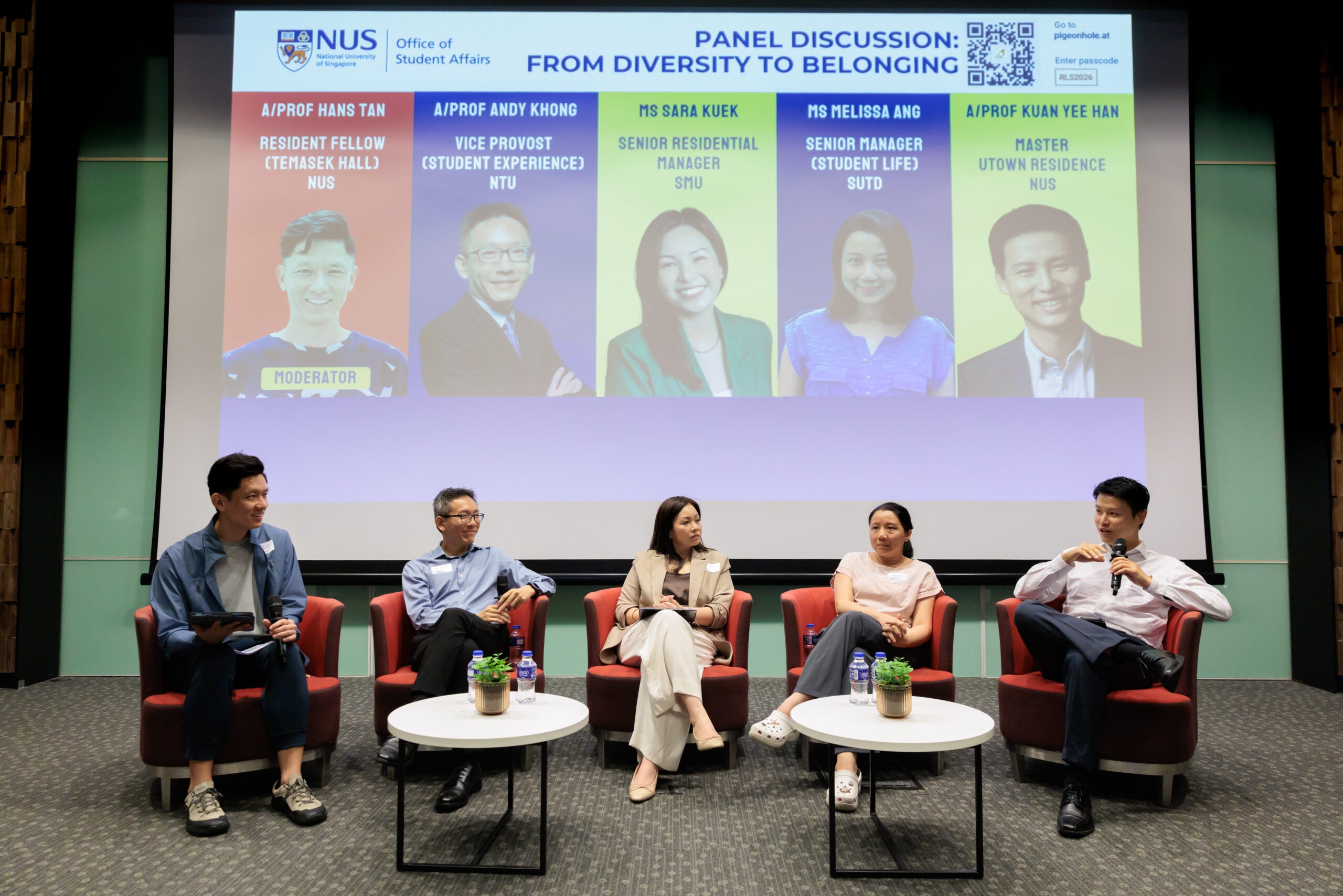
The role of inclusive leadership
Associate Professor Kuan Yee Han (Master of UTown Residence, NUS) emphasised that belonging begins with relationships, and that creating opportunities for students to connect early can help them feel part of a community. Associate Professor Andy Khong added that shared experiences, particularly working towards common goals, can deepen these connections and broaden students’ perspectives.
Ms Melissa Ang (Senior Manager of Office of Student Life, SUTD) highlighted that integration is a two-way process: international students can step beyond their familiar circles, while local students can reach out to and include their international peers. Ms Sara Kuek added that even students who participate may not necessarily feel connected, highlighting the importance of noticing those who remain on their own and helping them build trust and connections with others.
The discussion ultimately challenged participants to look beyond participation as a measure of belonging. As Associate Professor Khong reflected, what matters is not simply how many students attend an activity, but whether the experience broadens perspectives and deepens connections. Building belonging, therefore, requires creating opportunities for relationships to form while recognising that students may connect with their communities in different ways and at different paces.
Asking “Who isn’t here”
Building on the panel discussion, the workshops invited residential life practitioners to reflect on how assumptions and everyday decisions can shape students’ sense of inclusion or inadvertently leave some students overlooked.
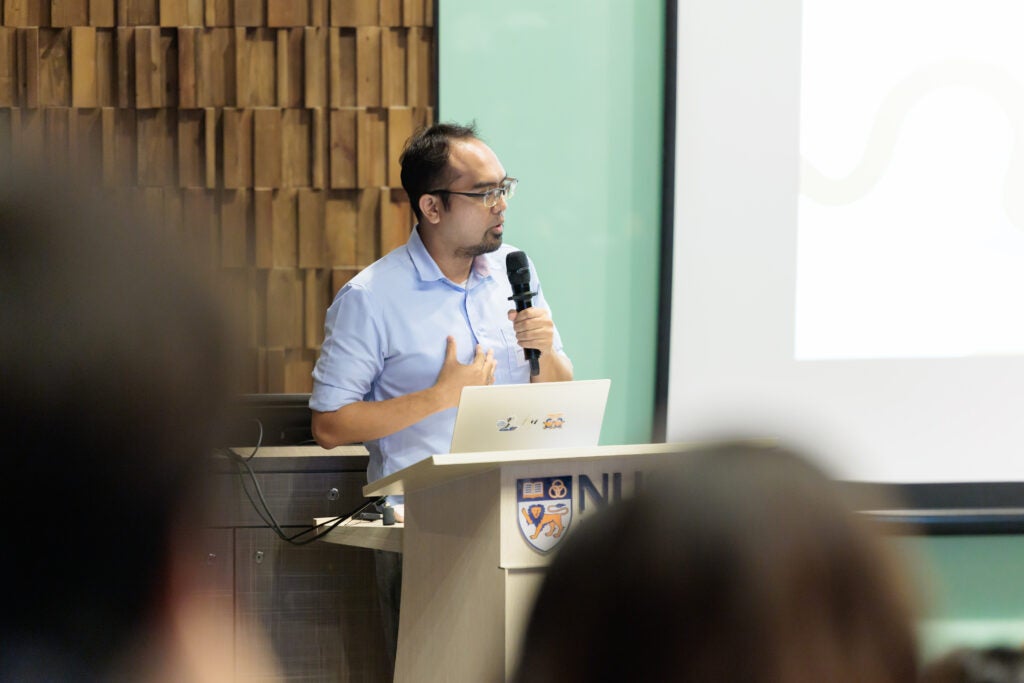
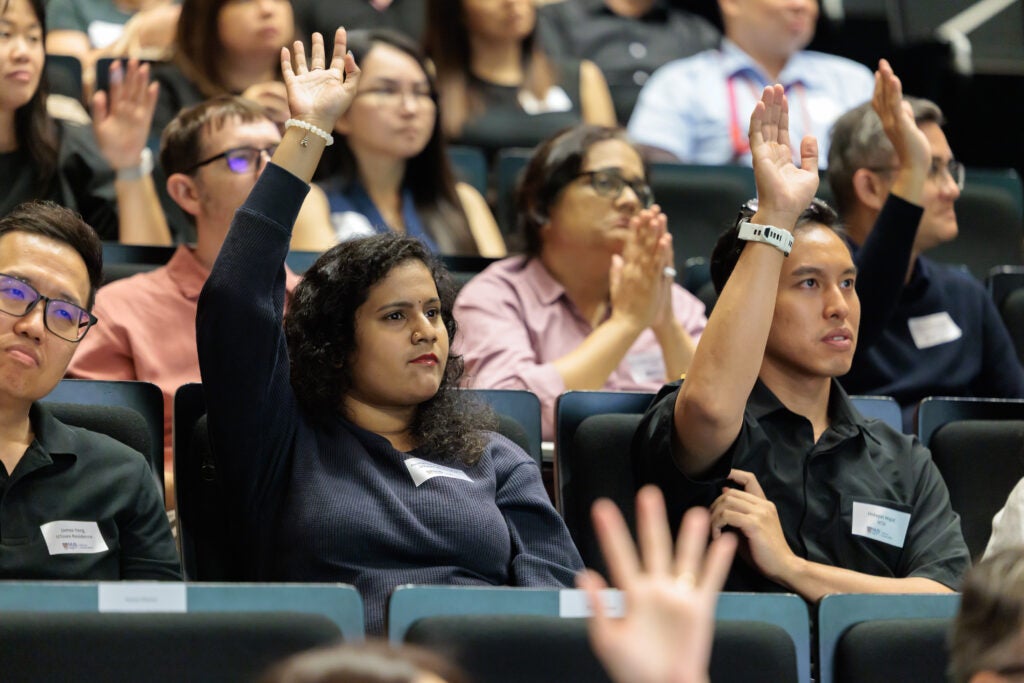
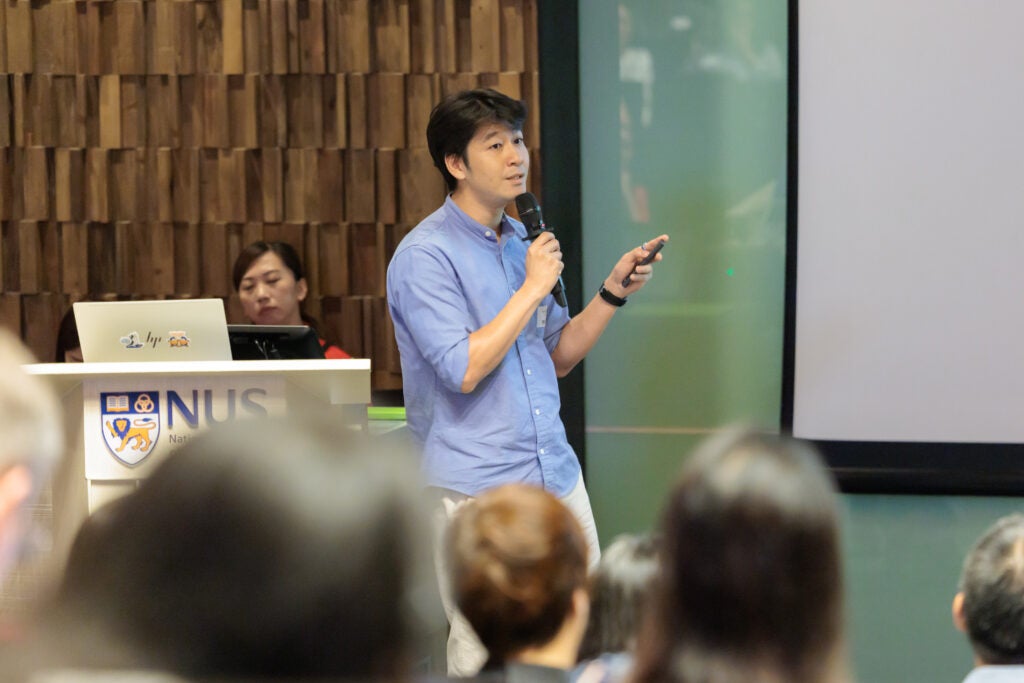
In a workshop facilitated by Mr Amirul Hakim Bin Abdul Hamid and Mr Jamalludin Bin Jami'ah from NUS, participants explored unconscious bias, representation and inclusive practices. A key question — “Who isn’t here?” — prompted them to consider whose perspectives may be missing and how unconscious biases could influence programme design, feedback and perceptions of student participation.
Rather than simply asking why certain students are not participating, residential life practitioners were encouraged to consider whether structural barriers might be making it harder for them to do so.
Removing Barriers to Participation
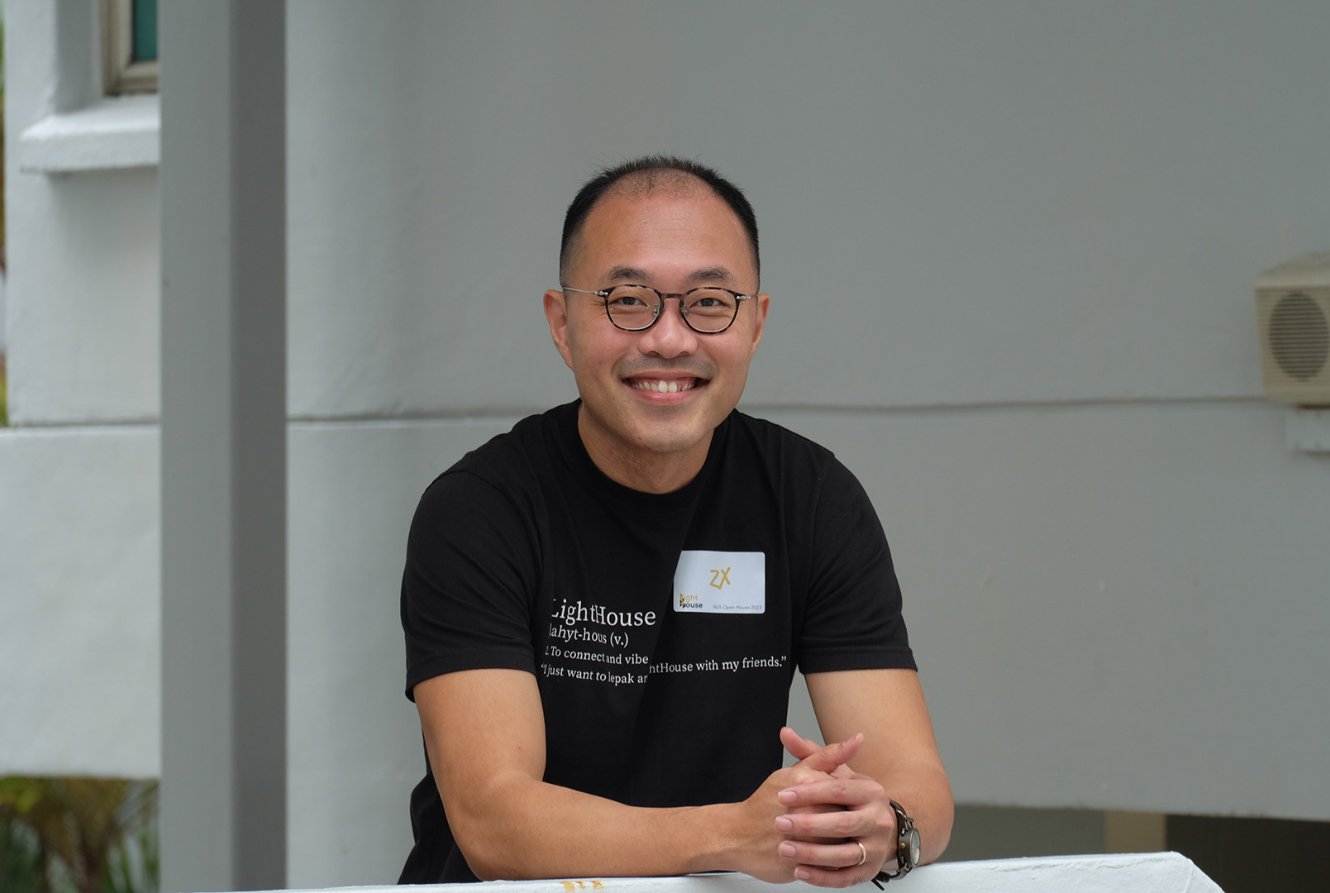
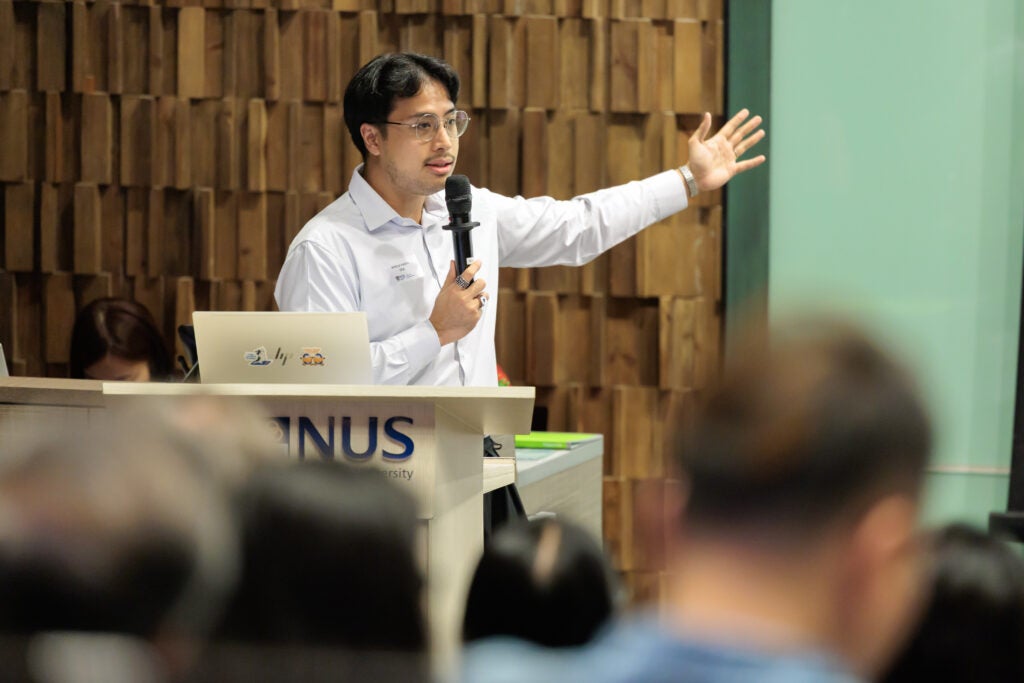
Extending this conversation through the lens of accessibility, Mr Teo Zhi Xiong from NUS highlighted that barriers to participation can be physical, sensory, communicative, attitudinal or institutional — and that students’ access needs may not always be visible. He encouraged practitioners to take a proactive approach by making support visible, creating opportunities for students to communicate their access needs, and connecting them with the appropriate expertise. He also emphasised that accessibility is a shared responsibility, requiring collaboration across teams rather than expecting individual practitioners to have all the answers.
Together, the workshops brought inclusive leadership from principle to practice — looking beyond who is present, identifying what may be preventing participation, and considering what practitioners can do differently.
Small acts, meaningful changes
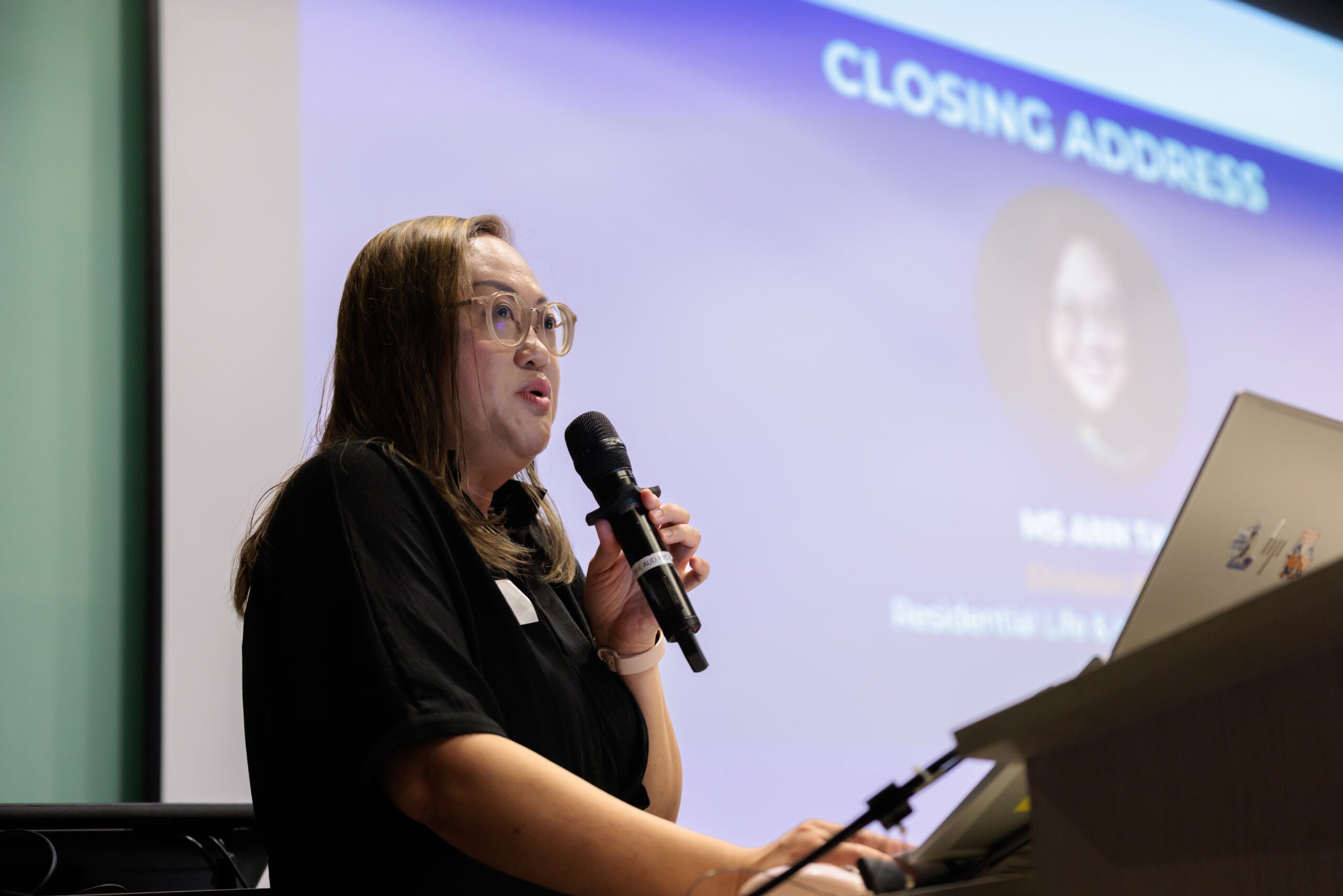
Bringing the Symposium to a close, Ms Ann Tan (Division Head of Residential Life & Hostel Admission, NUS) returned to a key message of the day: participation does not necessarily equate to belonging. A student may attend activities and be surrounded by others yet remain at the margins of the community.
She reminded participants that practitioners shape communities not only through programmes, but through everyday decisions — how they communicate, respond to differences, and notice, support and reach out to students. Rather than asking what more could be organised, she urged them to consider what they could do differently
She emphasised that belonging is built not through grand gestures, but through small, consistent acts over time. While each university residential context differs, Ms Tan underscored the value of learning from one another — not by replicating approaches, but by sharing experiences, challenging assumptions and considering what might work locally. She hoped that the Symposium would spark further exchange and collaboration across institutions.
Photo Gallery
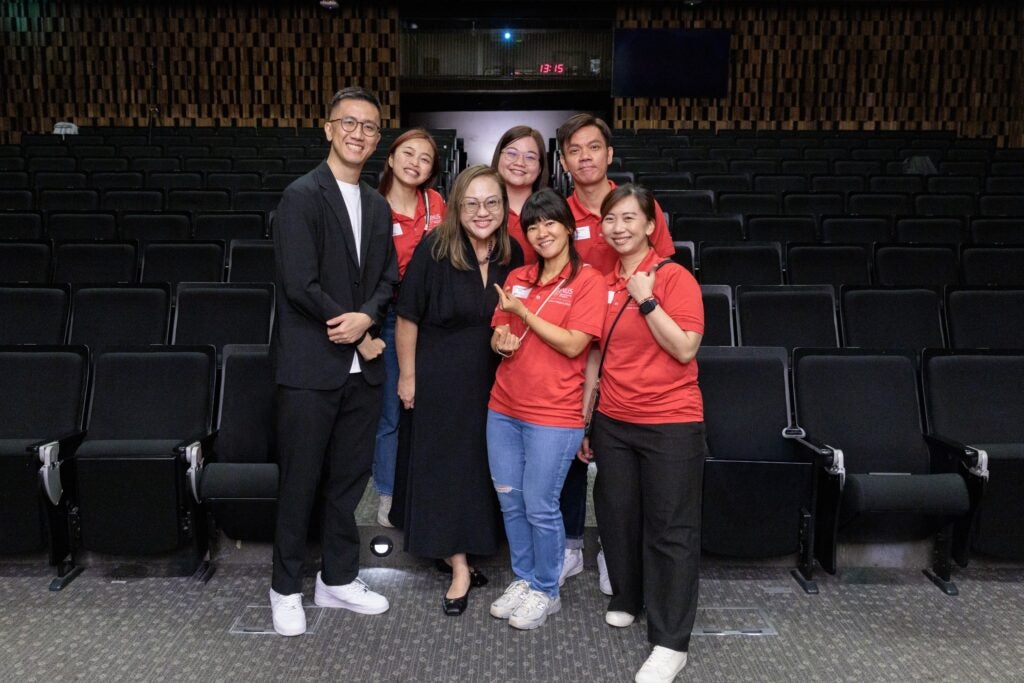
![[2026.09.23] NUS RL Symposium - 0336](https://osa.nus.edu.sg/wp-content/uploads/2026/10/2026.09.23-NUS-RL-Symposium-0336-1024x683.jpg "[2026.09.23] NUS RL Symposium - 0336")
![[2026.09.23] NUS RL Symposium - 0432](https://osa.nus.edu.sg/wp-content/uploads/2026/10/2026.09.23-NUS-RL-Symposium-0432-1024x683.jpg "[2026.09.23] NUS RL Symposium - 0432")
![[2026.09.23] NUS RL Symposium - 0391](https://osa.nus.edu.sg/wp-content/uploads/2026/10/2026.09.23-NUS-RL-Symposium-0391-1024x683.jpg "[2026.09.23] NUS RL Symposium - 0391")
![[2026.09.23] NUS RL Symposium - 1094](https://osa.nus.edu.sg/wp-content/uploads/2026/10/2026.09.23-NUS-RL-Symposium-1094-1024x683.jpg "[2026.09.23] NUS RL Symposium - 1094")
![[2026.09.23] NUS RL Symposium - 1866](https://osa.nus.edu.sg/wp-content/uploads/2026/10/2026.09.23-NUS-RL-Symposium-1866-1024x683.jpg "[2026.09.23] NUS RL Symposium - 1866")
Share:
Contributor
Office of Student Affairs and Nashat Zaman, CDE (Biomedical Engineering), Year 4