
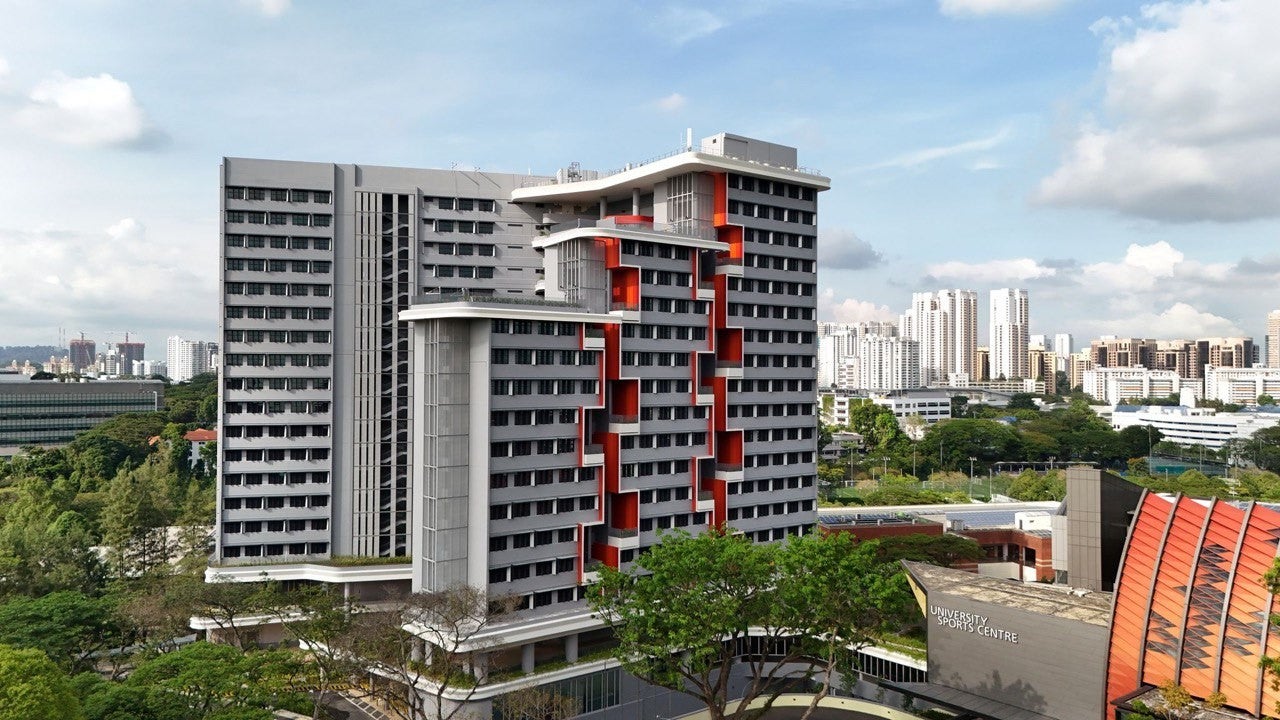
Sports and an active lifestyle are so much a part of campus life at NUS that it now has a hostel dedicated to it.
Located right next to the University Sports Centre, the 19-storey Valour House — spanning two wings and housing around 600 students — is NUS’ first sports-themed hostel. It is designed to support both training and community life, with sporting facilities nearby and shared spaces that encourage both athletes and sporting enthusiasts to stay active.
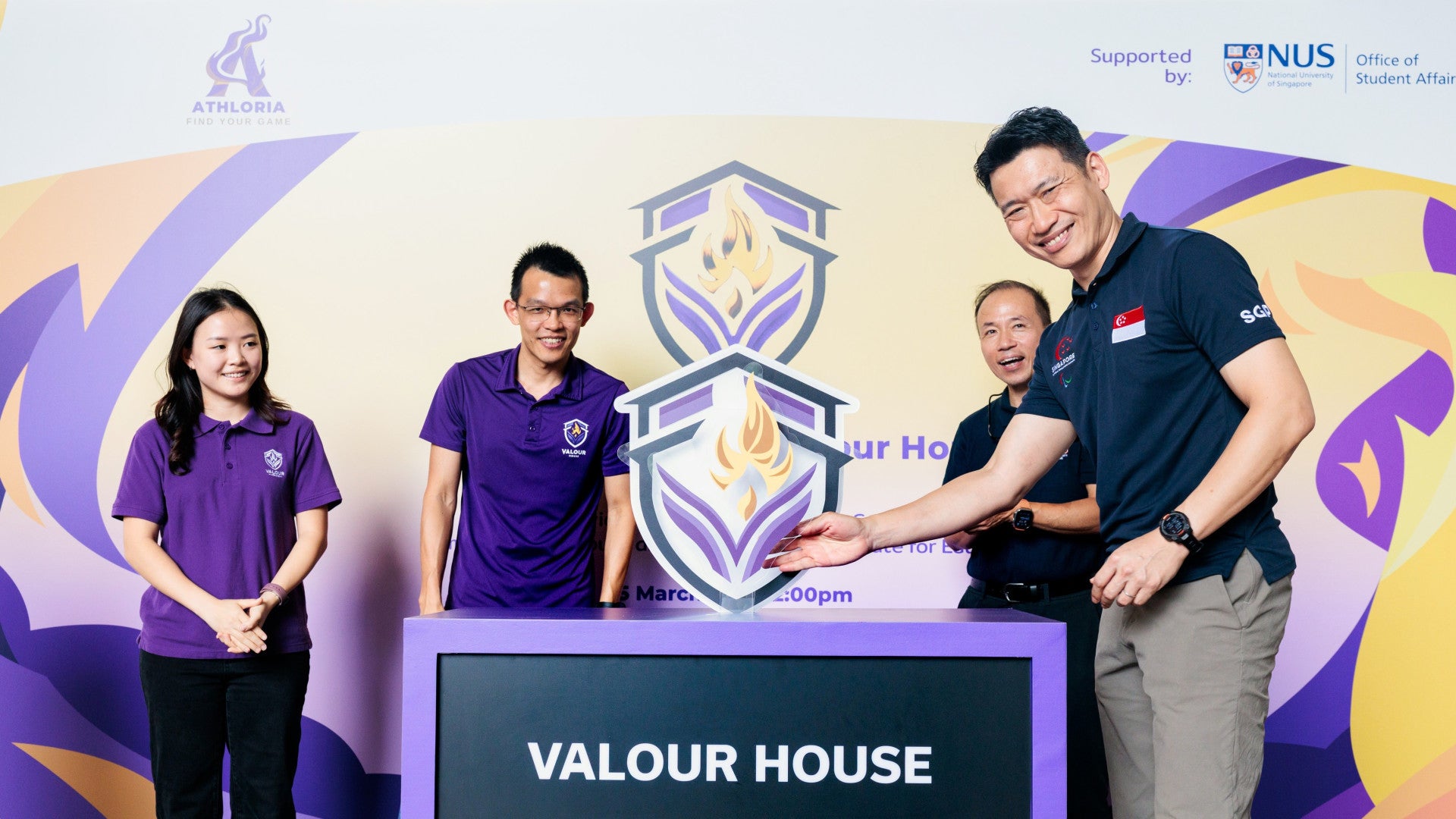
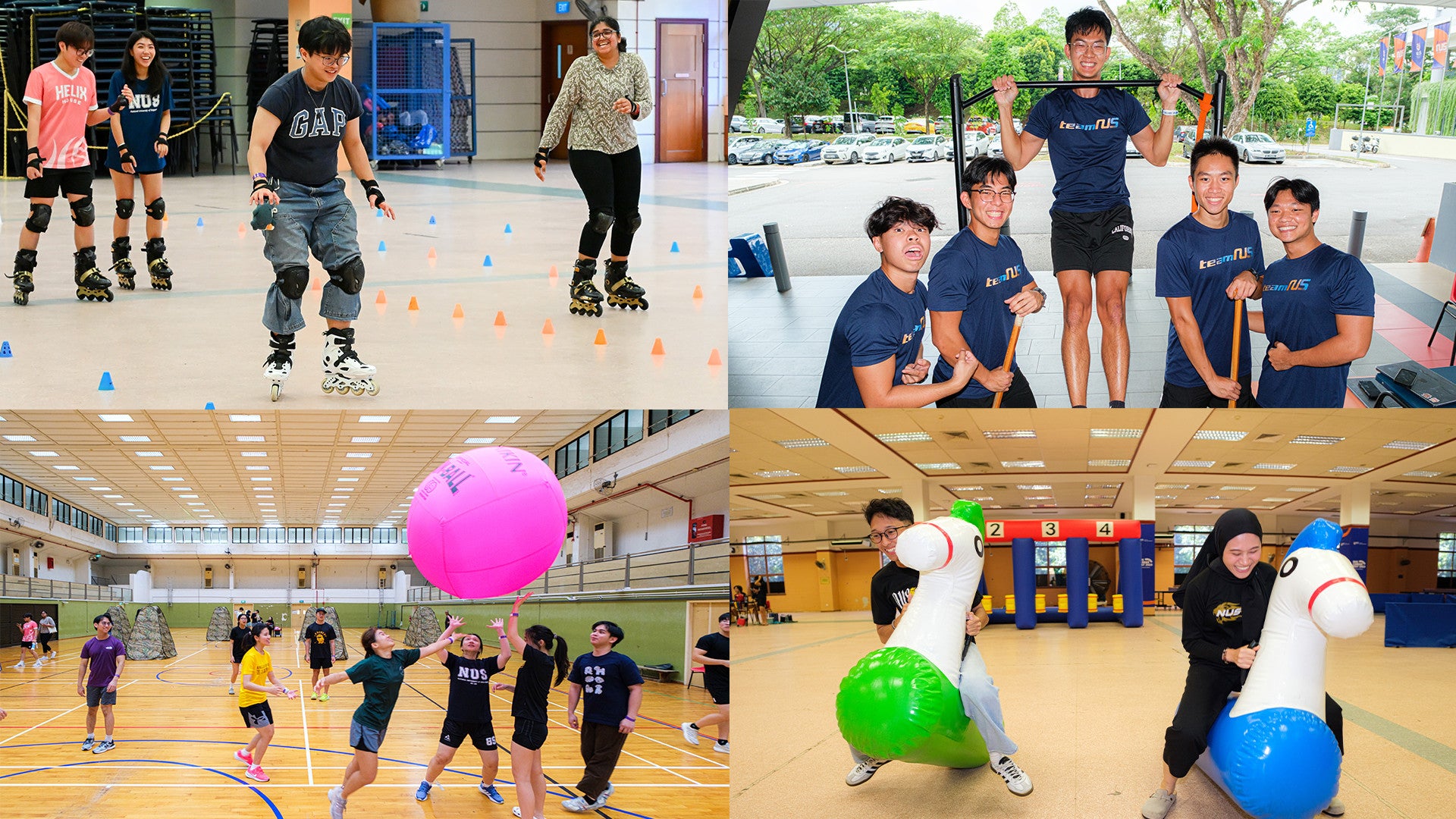
It was officially launched on 25 March, alongside the inaugural Athloria 2026 sports fiesta. Organised by the NUS Students’ Sports Club and Valour House, the event featured 48 student groups hosting mini games and group activities ranging from basketball to boxing. The goal is for Athloria to be held yearly, while encouraging students to explore new sports and connect with one another in an informal and accessible setting.
“The name ‘Valour’ reflects the courage required to reach new heights — in sport and in life,” said NUS Deputy President (Academic Affairs) and Provost Professor Aaron Thean in his welcome remarks. “Through Valour House, we hope to build resilience and discipline in our students, foster a community where they support one another through challenges, and encourage them to celebrate victories together.”
Acting Minister for Culture, Community and Youth and Senior Minister of State for Education, Mr David Neo, who was the Guest-of-Honour, affirmed Valour House’s support of both athletes and students who are interested in sports.
“Valour House is a tangible and visible reminder to our national student-athletes that the government and NUS are behind you as you chase your dreams,” he said. “To the leadership of NUS, thank you for leading the way, and for supporting our young people in chasing their dreams.”
A residential life community with sports at its core
The concept of a sports-themed hostel was first mooted around 2020 as part of broader discussions about expanding NUS’ range of residential experiences. Sports emerged as a natural focus, given its strong presence across campus.
About one-third of NUS students participate in some form of sports. Valour House brings these groups together in one residence, creating diverse opportunities for peer learning and support.
“Living alongside fellow student-athletes and sports enthusiasts has been meaningful,” said Koh Kai Xin Pearlyn, a Year 4 Business Administration student at the NUS Business School and a former national table tennis player. “We exchange knowledge across different sports, and it also gives me opportunities to try sports beyond my own discipline.”
Valour House residents also have access to a plethora of facilities designed to support both training and recovery. An exclusive gym at the nearby multi-purpose sports hall now includes not just common gym equipment, but also specialised training equipment like assault bikes, power sleds, a FITLIGHT visuo-motor training system and punching bags, while an ice plunge system was also installed by modifying sections of the communal bathrooms. A recovery lounge also boasts cutting-edge equipment such as massage chairs, anti-gravity chairs and compression boots, and students can also use body composition analysis equipment to track their lean muscle mass and fat percentage.
From leading a lab to a hostel
Valour House Master, Dr Ivan Low, is a Senior Lecturer and Education Director in the Department of Physiology at the Yong Loo Lin School of Medicine where he also runs a Human Performance and Applied Physiology laboratory. He previously served as a Resident Fellow at Kent Ridge Hall for more than eight years.
After learning about the opportunity to lead the new hostel from Professor Ho Han Kiat, Dean of Students, Dr Low saw it as an opportunity to marry his interests in residential life and sports science.
He proposed the name “Valour House” and its tagline “Courage to compete, united to succeed”, which he hopes residents will embody. The house emblem, which Dr Low designed as well, reinforces this ethos. The crest is shaped like a knight’s shield which signifies courage and resilience. Emerging from the shield is a flame shaped akin to the Olympic torch, signifying the spirit of excellence, camaraderie, and the global community of sports.
Excelling in sports from scratch
Valour House also offers a new credit-bearing “Sports for Life” course. The course integrates structured sports training with classroom-based instruction and is co-developed with the Department of Physiology at Yong Loo Lin School of Medicine. Unlike performance-based training workshops meant for high-performance athletes, this course caters to beginners, encouraging them to step out of their comfort zone to learn a new sport. Students select one of five team sports — canoe polo, touch rugby, ultimate frisbee, floorball, or basketball — in which they have no prior experience. This levels the playing field and encourages experiential learning.
“It gives us the opportunity to learn a new sport while also understanding the values and discipline of a sportsperson,” said Ang Jia Jun, a Year 1 Business Analytics student from the NUS School of Computing and a former dragon boat racer.
Students attend lessons on sports psychology and physiology taught by faculty members from the Department of Physiology and apply the theories learned during sports trainings and games. Many of the selected sports emphasise collaboration rather than individual performance, reinforcing the course’s community-building goals.
Building a close-knit community
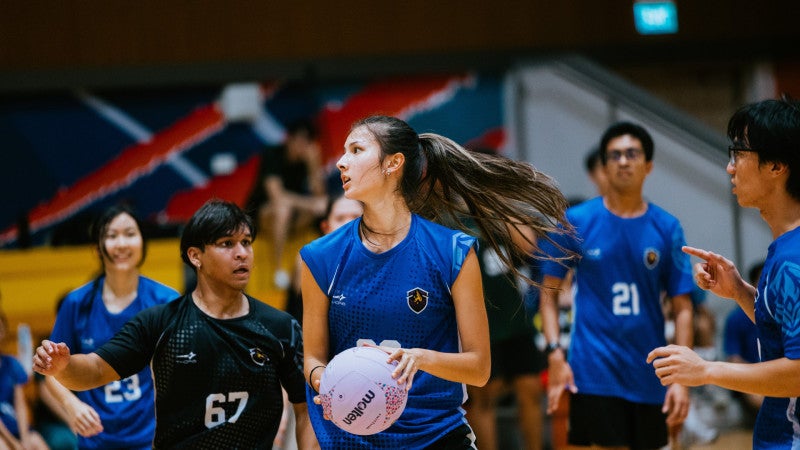
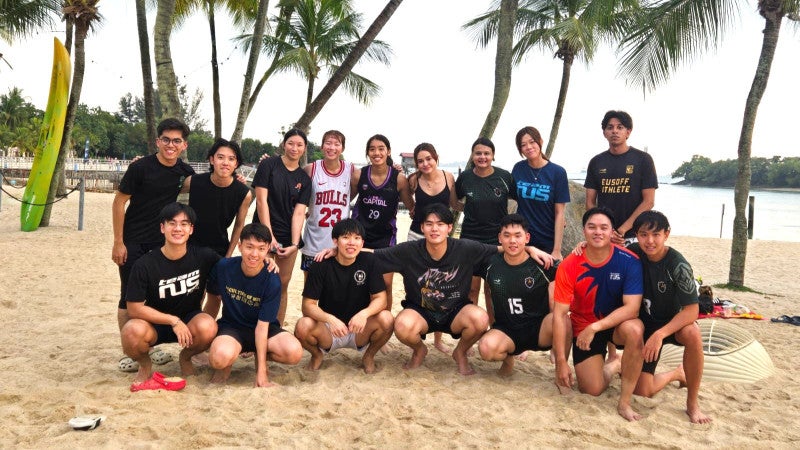
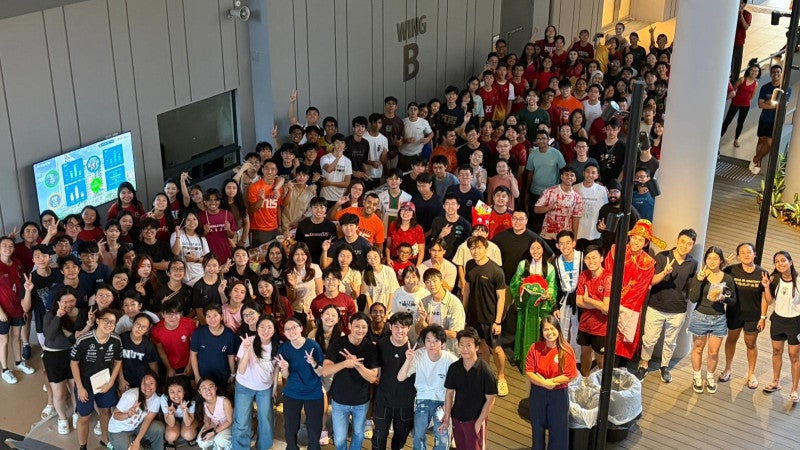
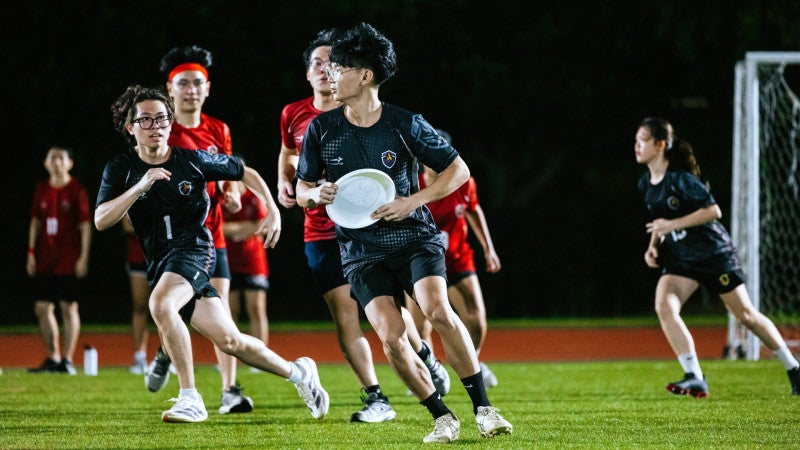
Valour House is organised into five clusters, each led by a resident fellow and occupies three to four floors of student rooms as well as shared spaces. Cluster-based communal activities and inter-cluster games help break the ice among neighbours who might otherwise remain strangers in a large building.
“You cannot create unity among 600-odd people all at once — it has to grow from smaller communities,” explained Dr Low.
Beyond sports, Valour House residents can also join interest groups ranging from music bands to cooking clubs and even Bollywood dance.
Dr Low hopes that Valour House residents will always support one another both on and off the field.
“When our athletes go out to train or compete, they should know there is an entire kampung behind them,” he said.
Share:
Contributor
This story was first published on NUS News